
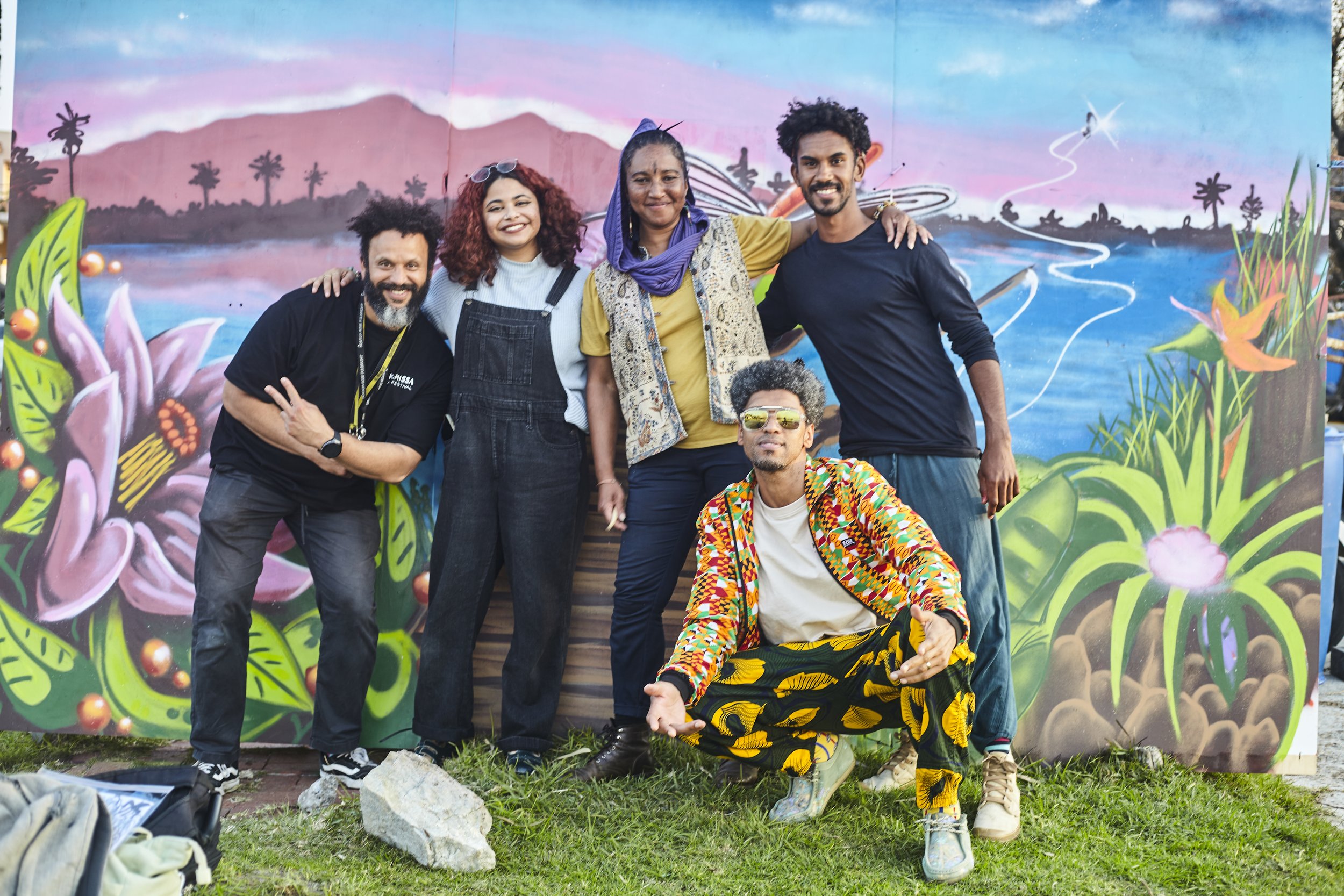
The Zeekoe !Xubi festival was hosted on 20 June 2026 at the Zeekoevlei Yacht Club. The festival brought together local residents and varied stakeholders to promote an active citizenry around water-related issues in the Zeekoevlei catchment, which spans from Zeekoevlei itself upstream to Gugulethu.
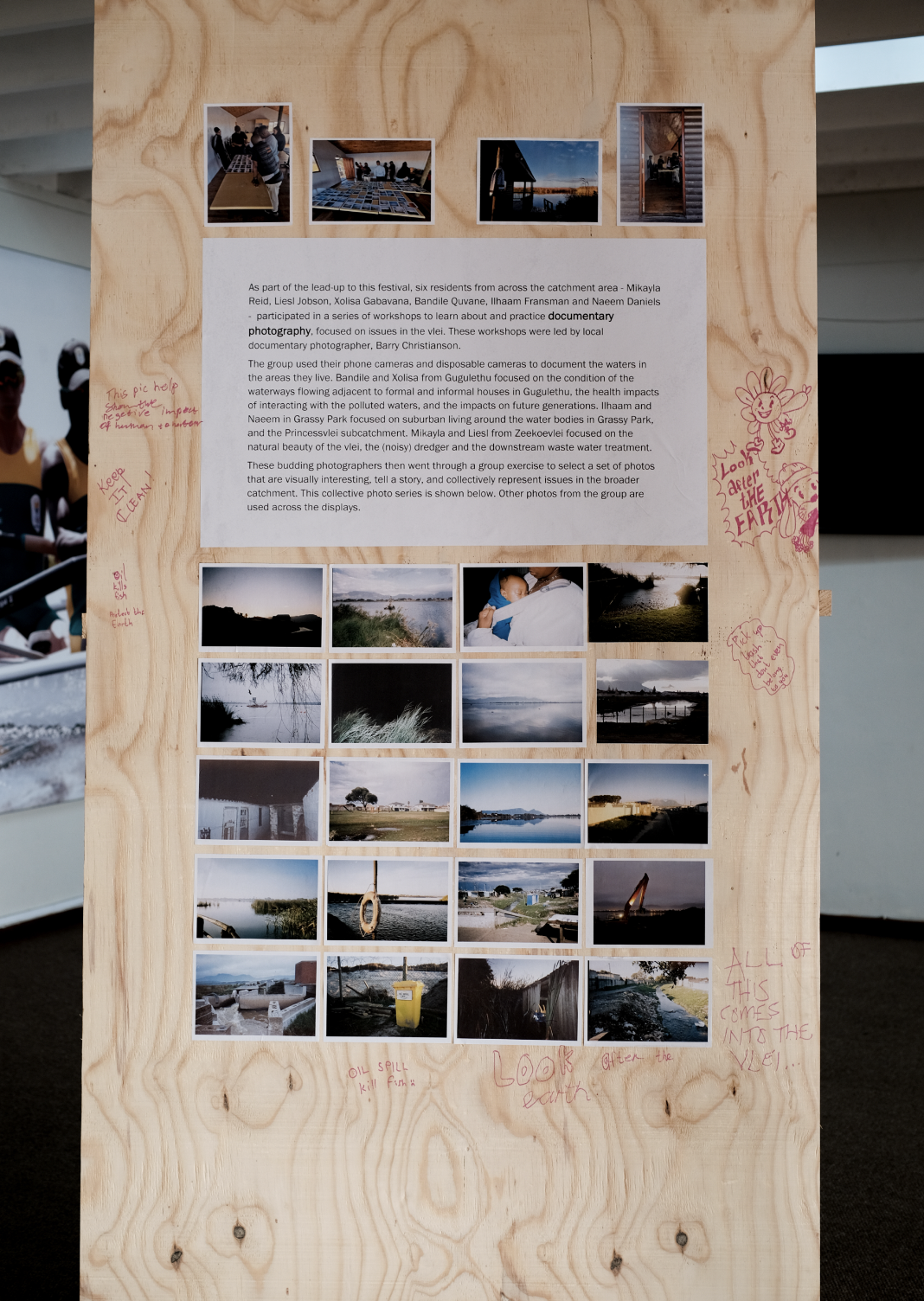
In the three months leading up to the festival, Awehness consulted with researchers, City officials, local residents and businesses, and held workshops on eco-poetry, documentary photography, zine-making and watercolours, which all featured in the festival.
The co-design process and the festival itself raised awareness of water-related problems identified by stakeholders across the broader catchment area. The festival covered perspectives on history, the natural environment, human-environment relationships, service delivery, recreation, and livelihoods - with water quality and water pollution in the catchment being the common thread. You can learn more about the Zeekoevlei catchment further down.
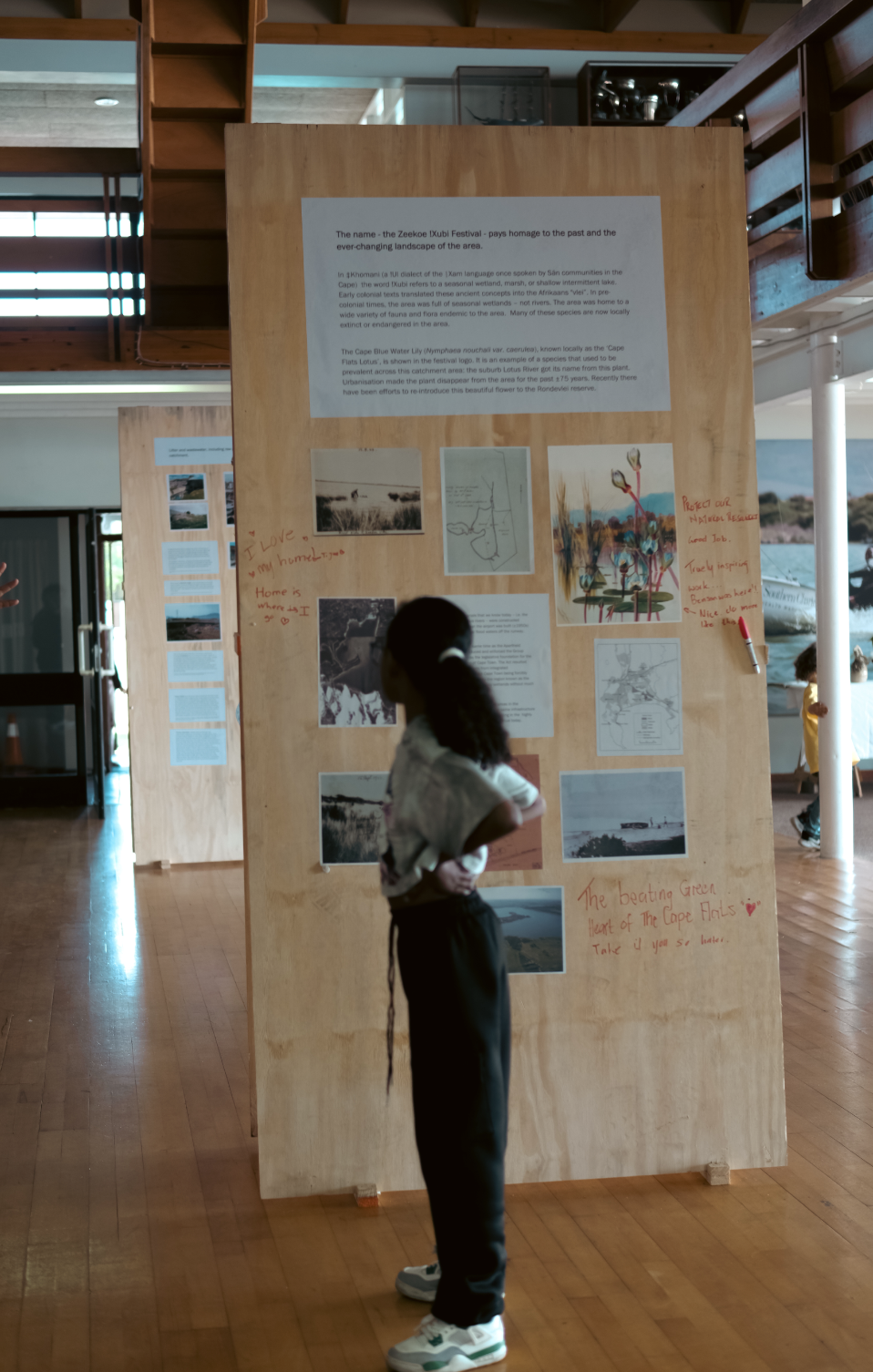
The name – Zeekoe !Xubi – was chosen through a co-creation process. In the local dialect of the |Xam language once spoken by Sān communities in the Cape, the word !Xubi refers to a seasonal wetland, marsh, or shallow intermittent lake. Our co-creation participants wanted to pay homage to the area’s neglected history.
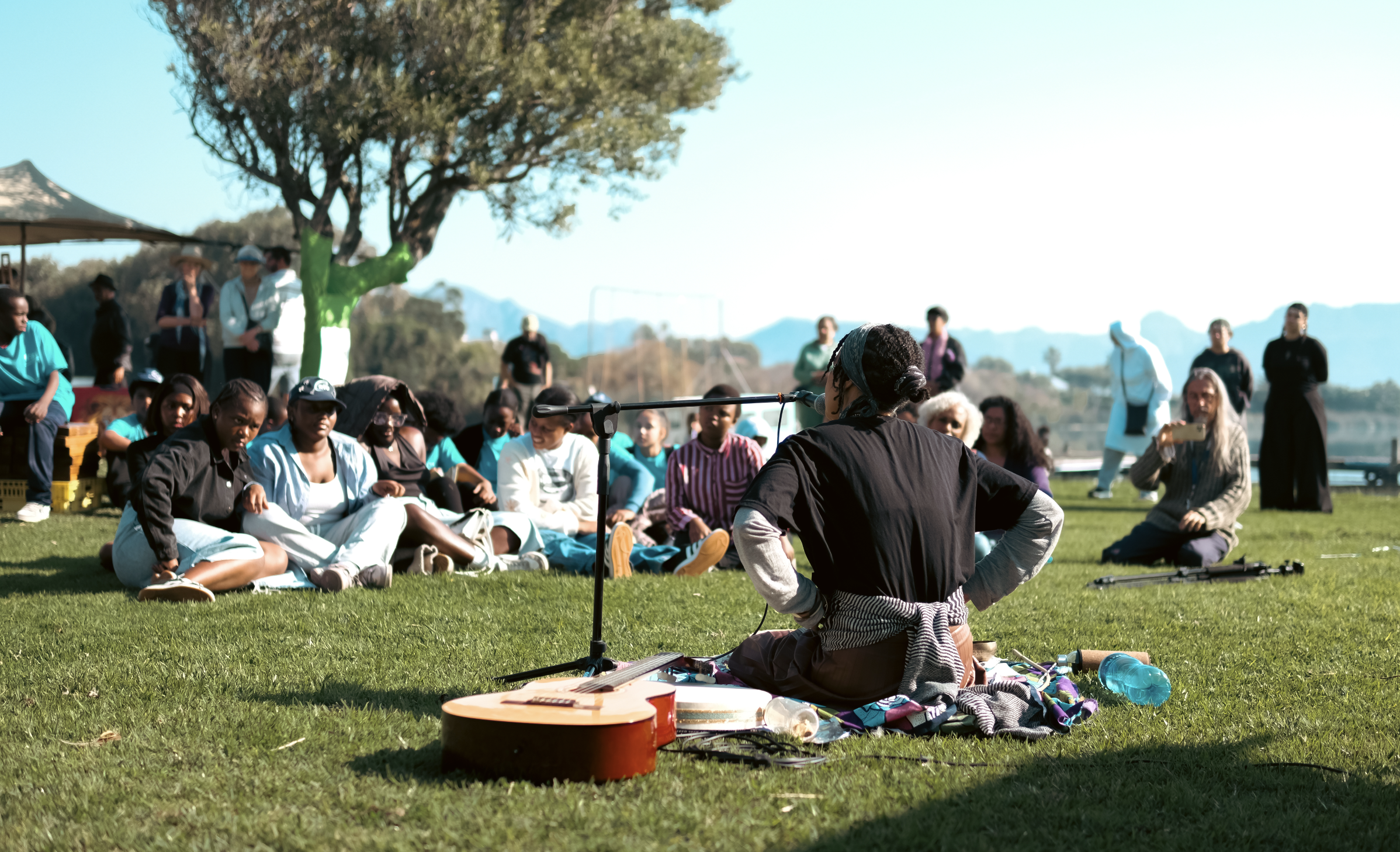
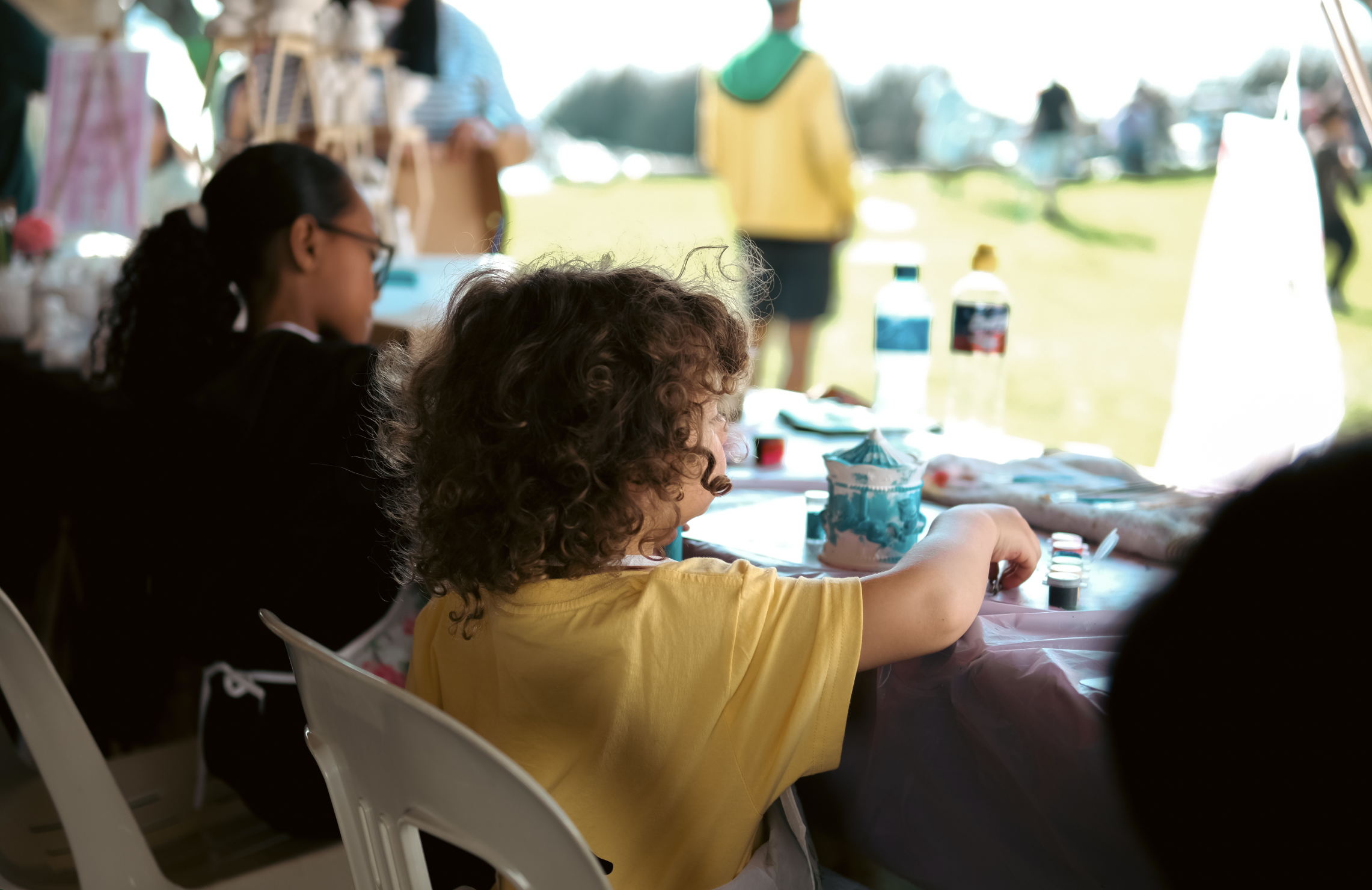
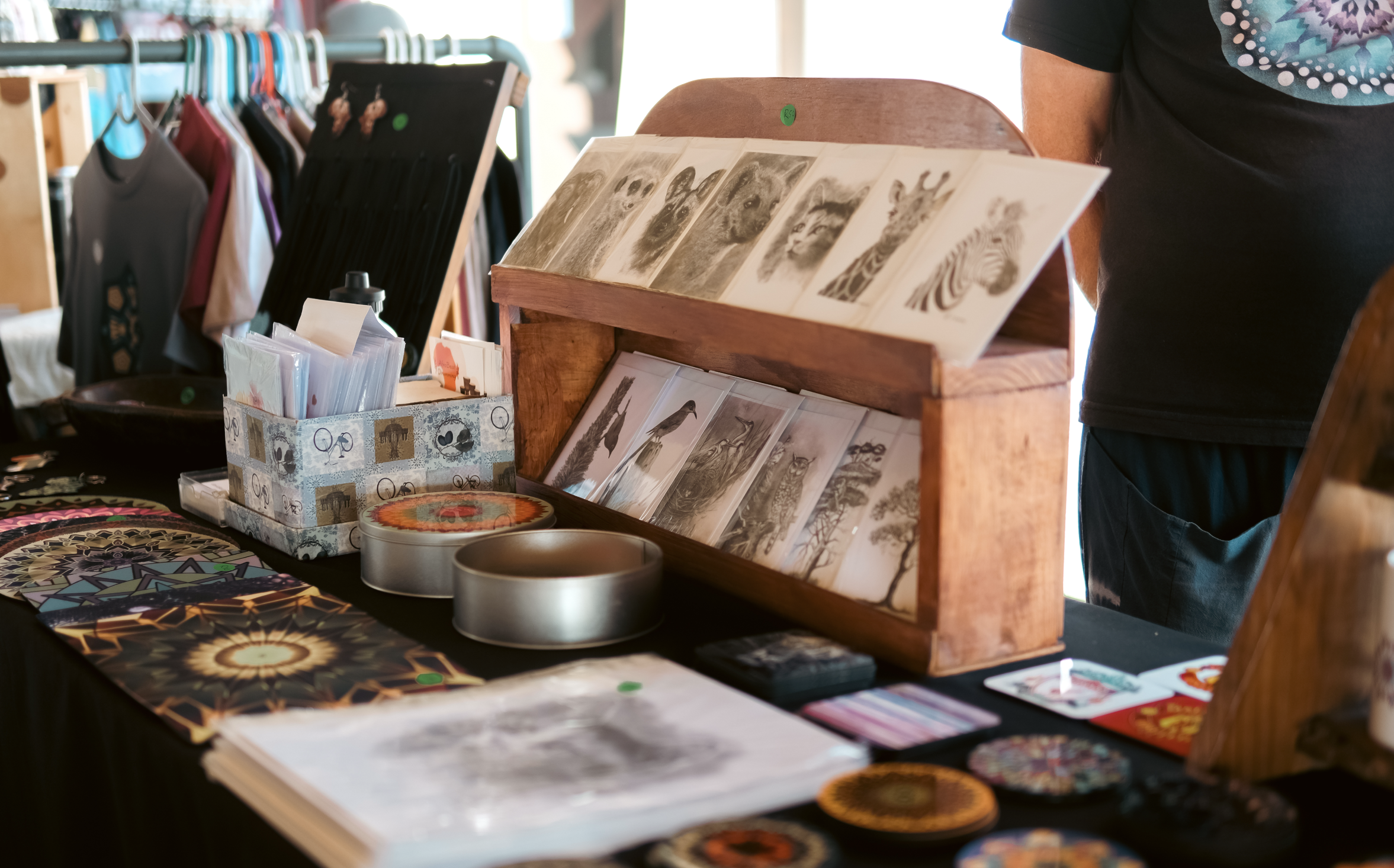
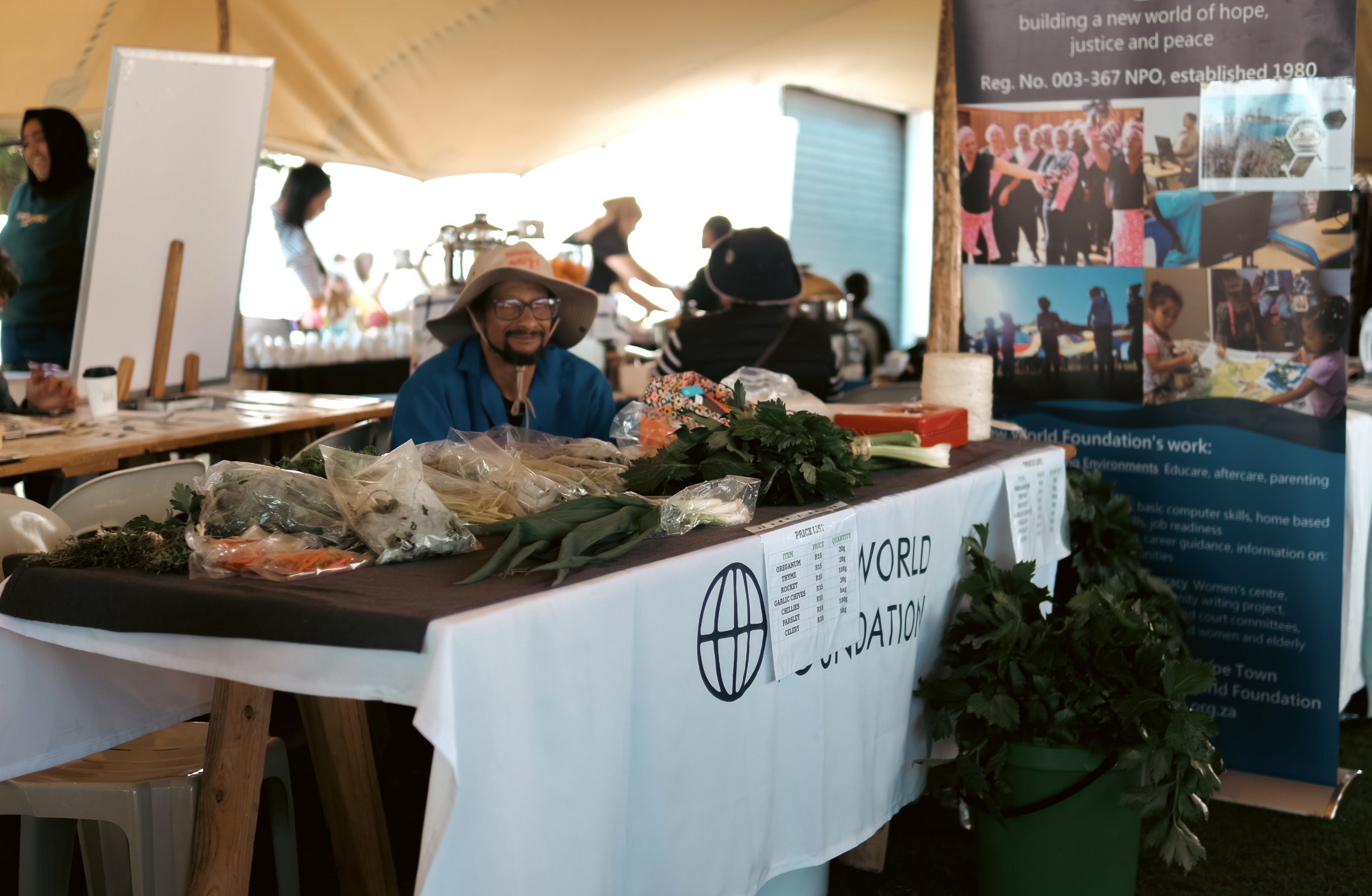
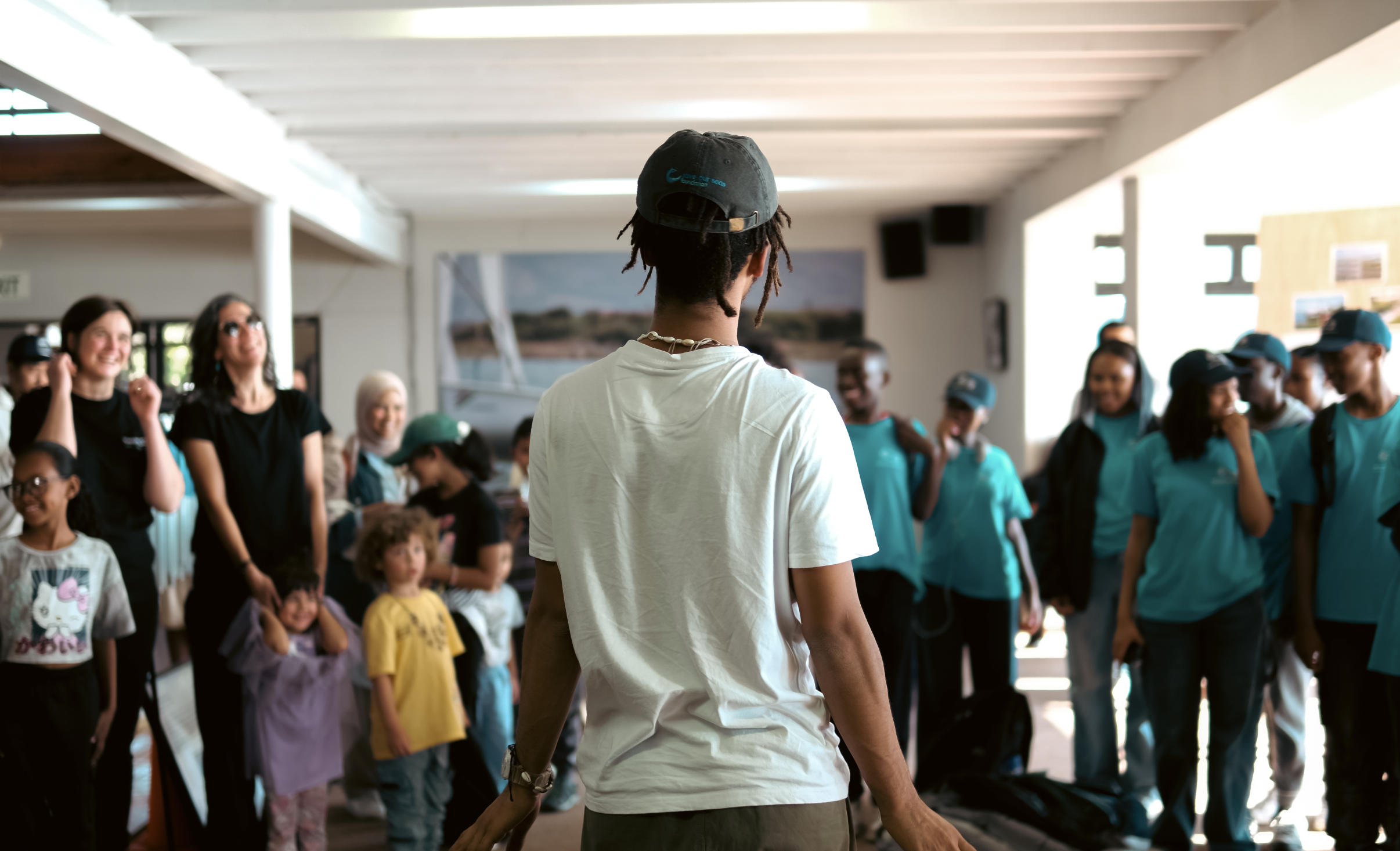
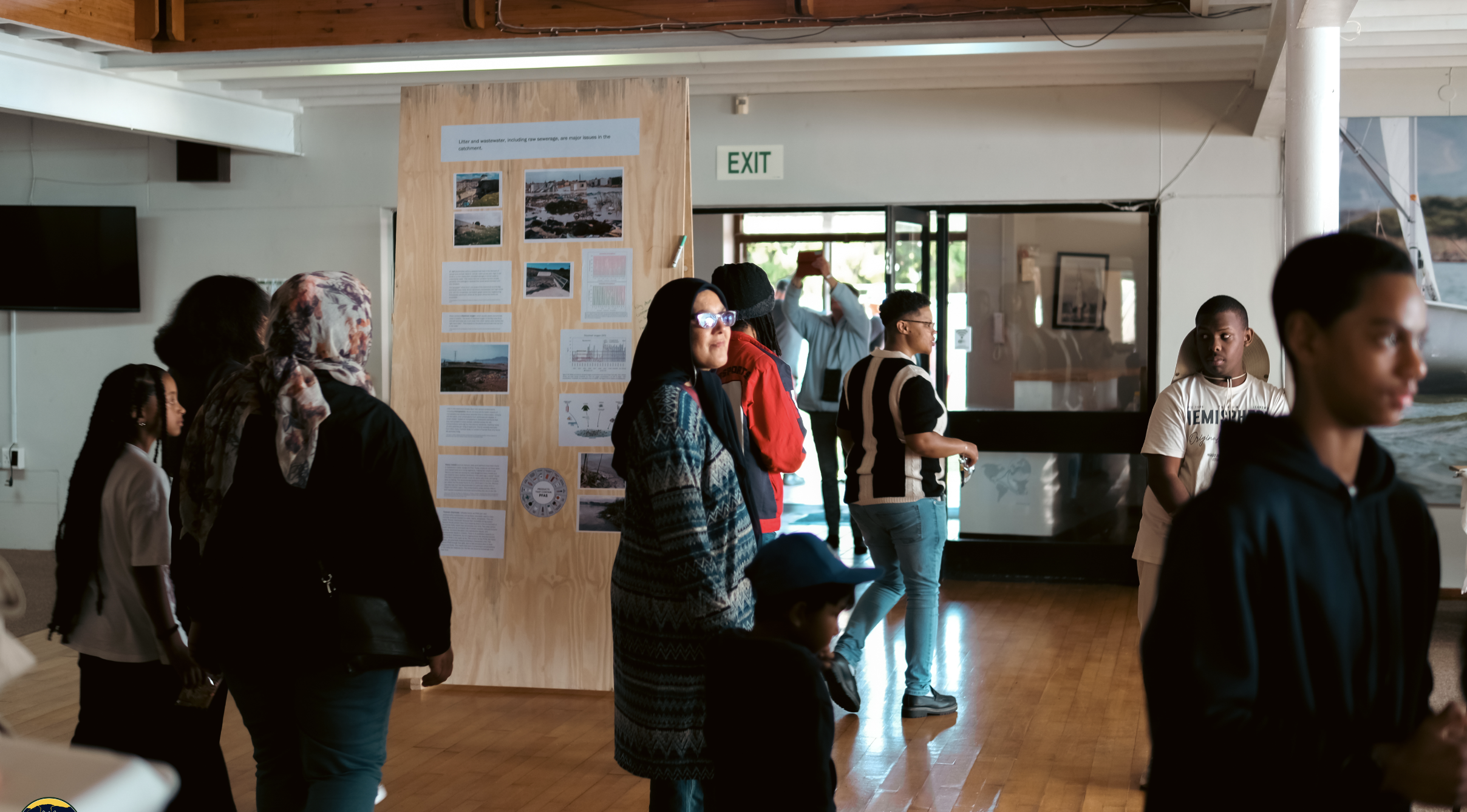
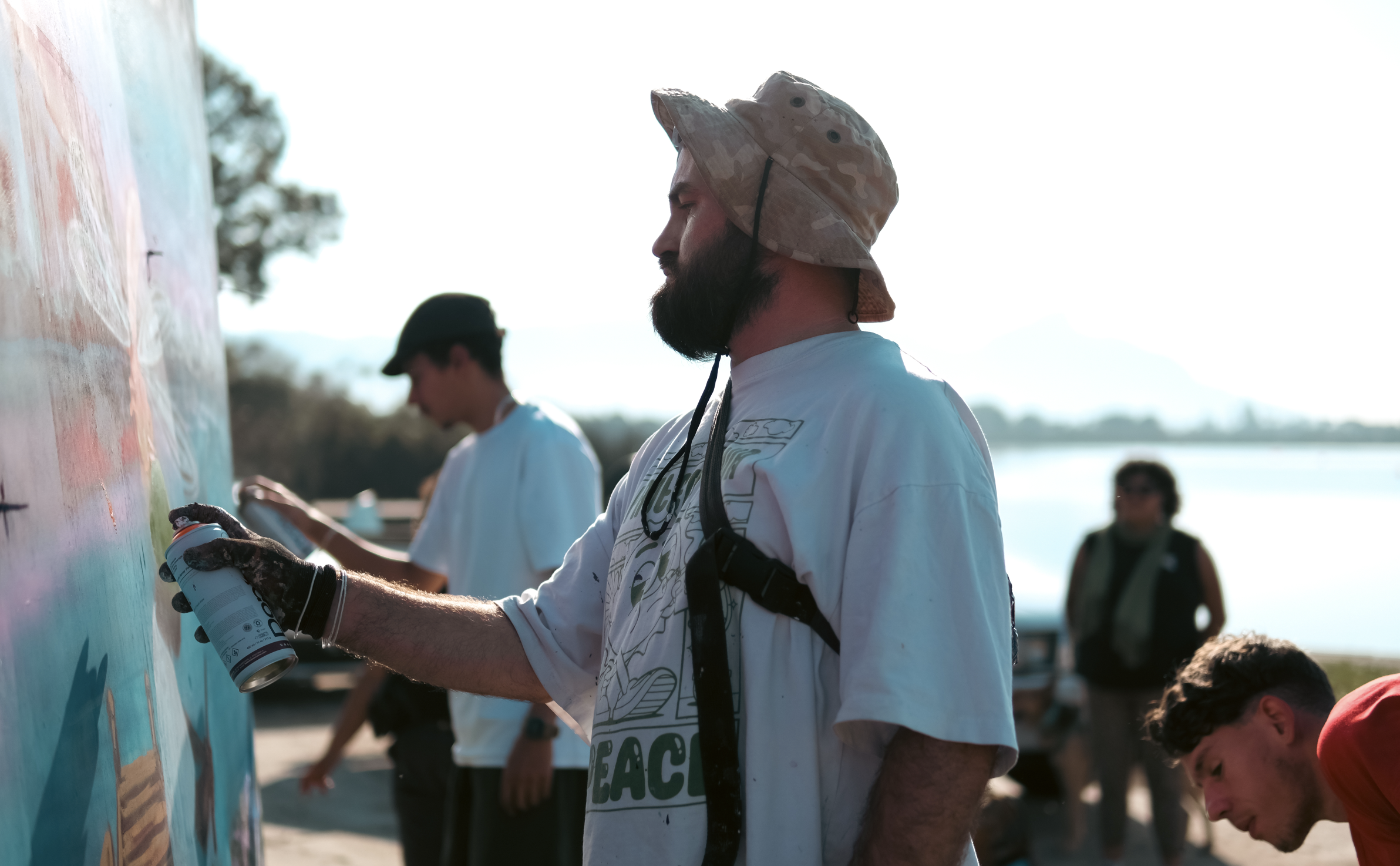
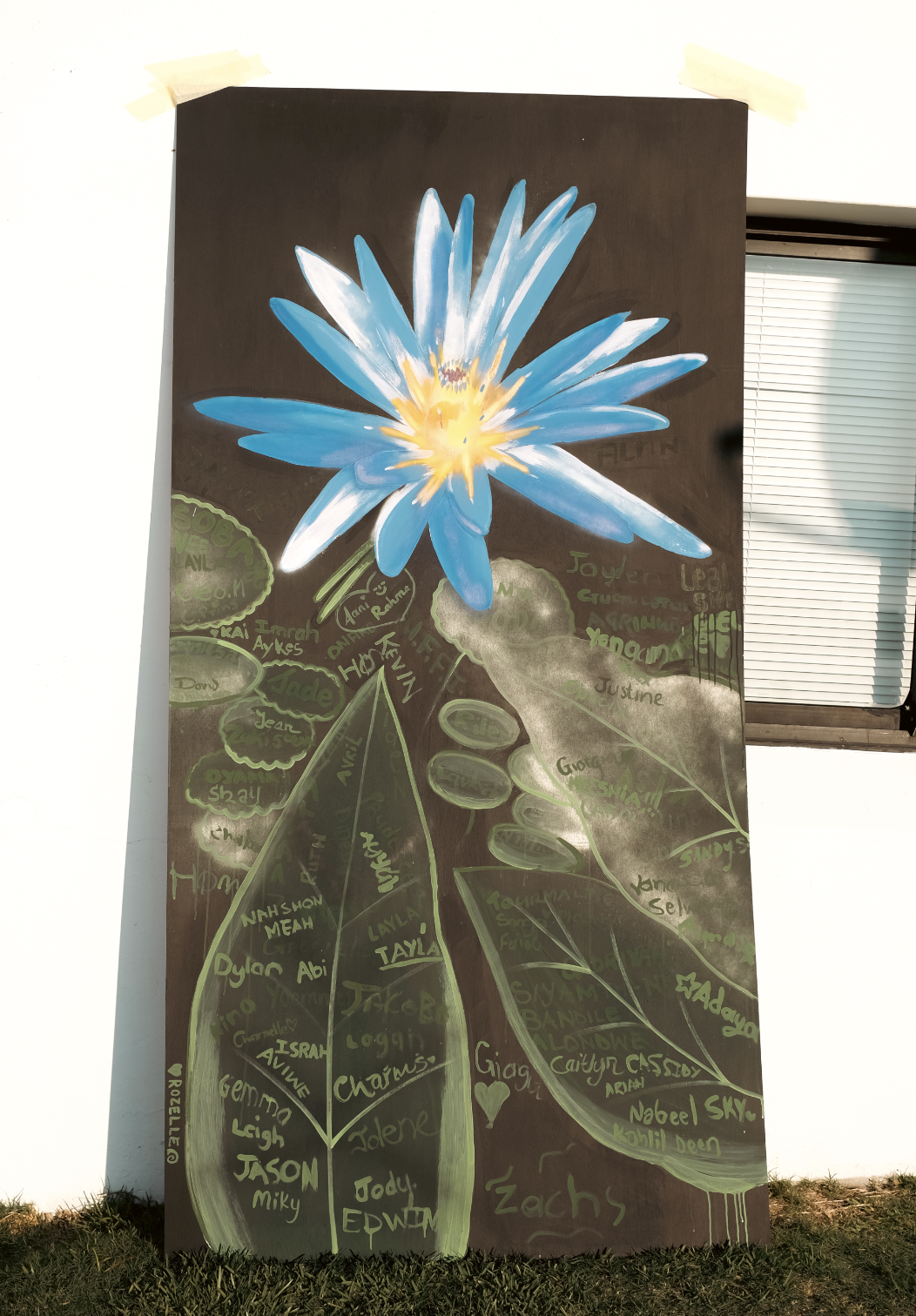
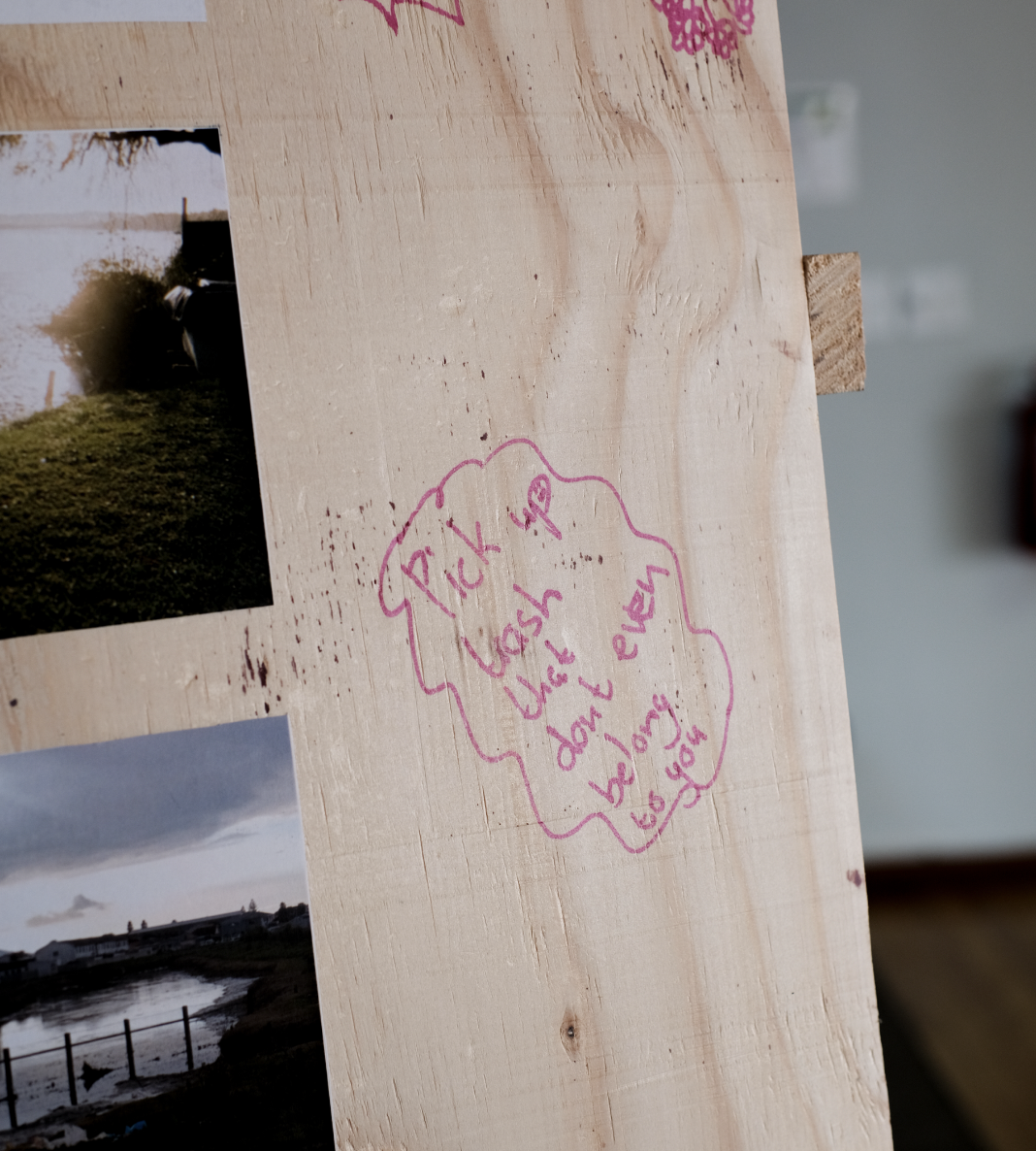
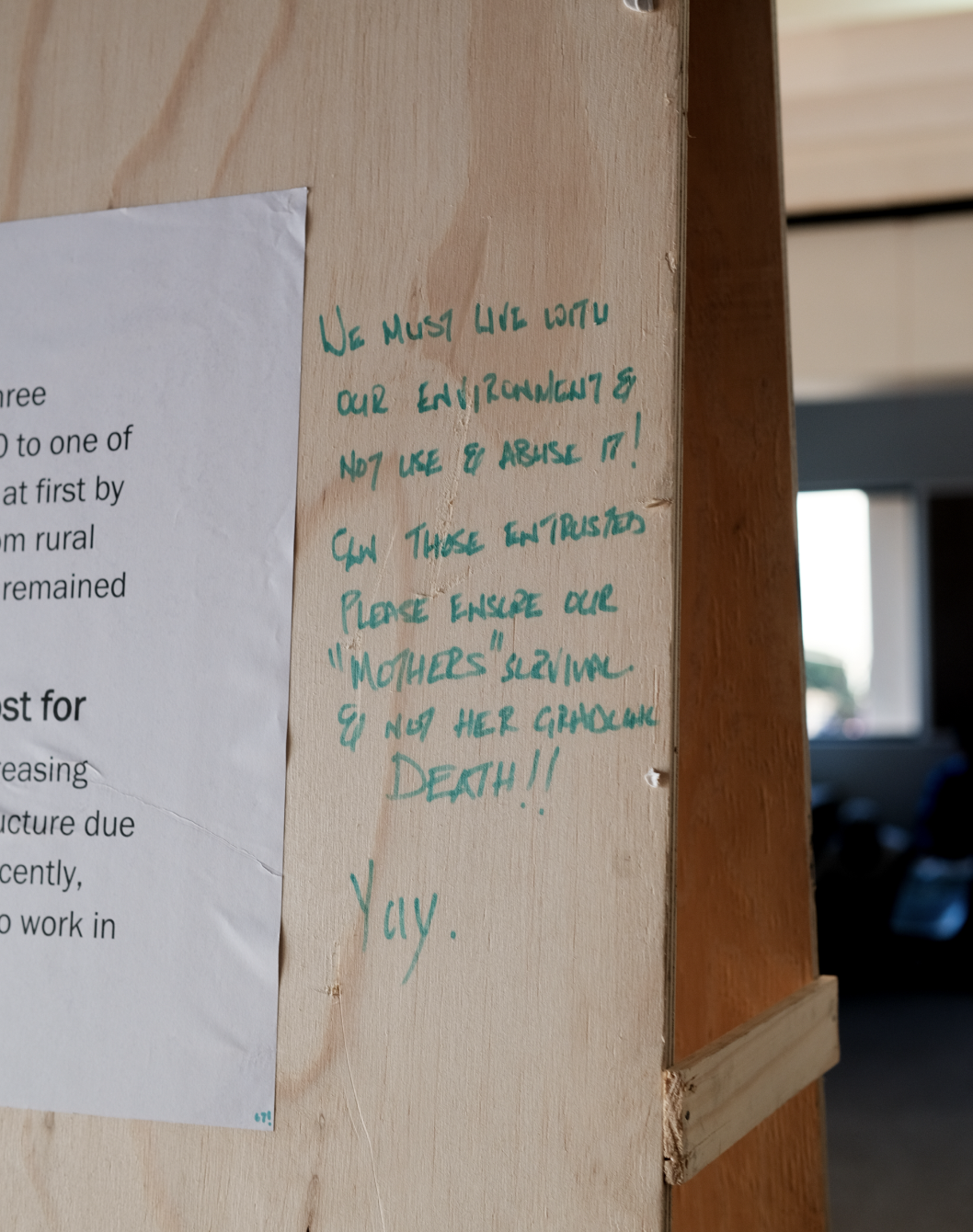
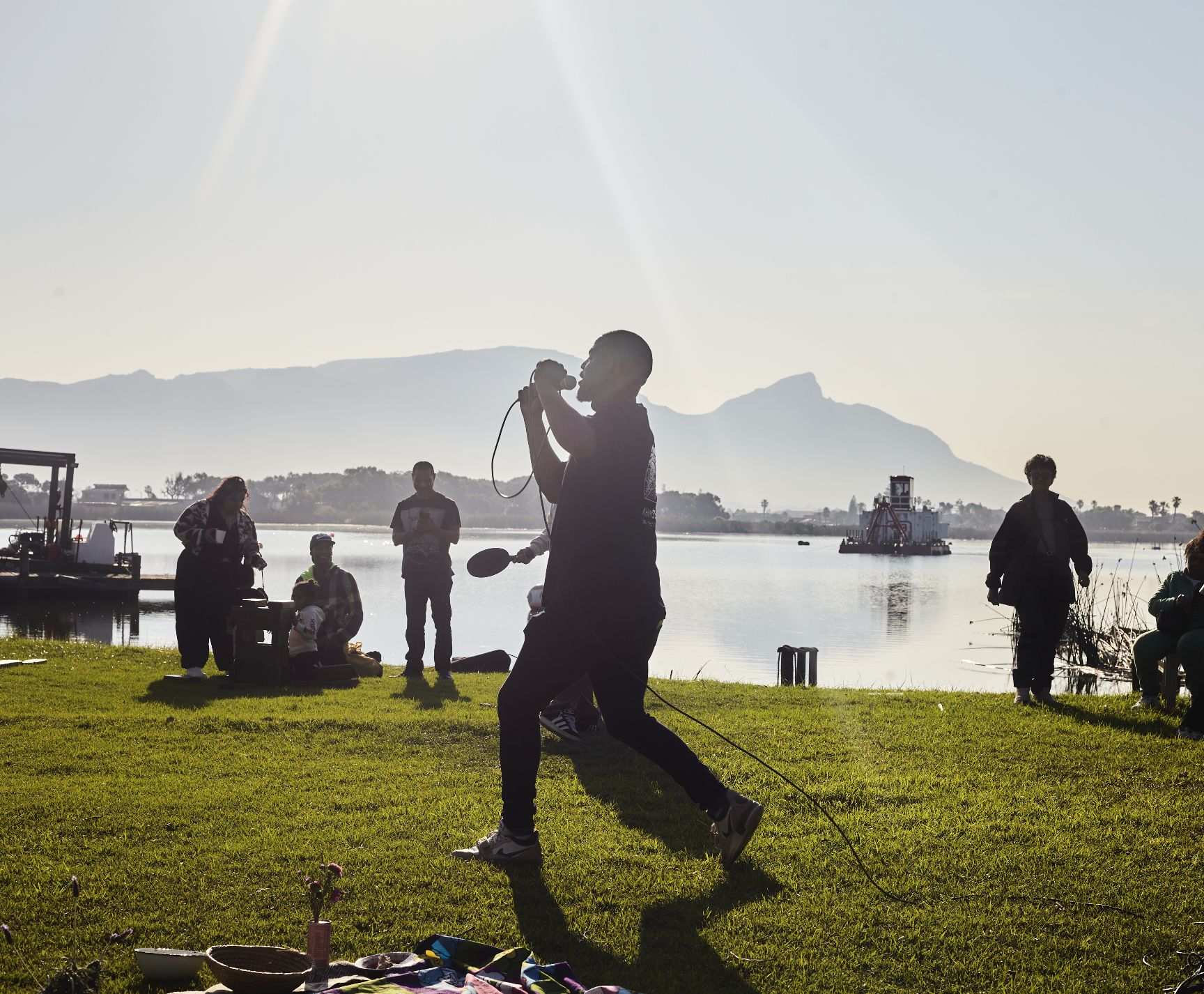
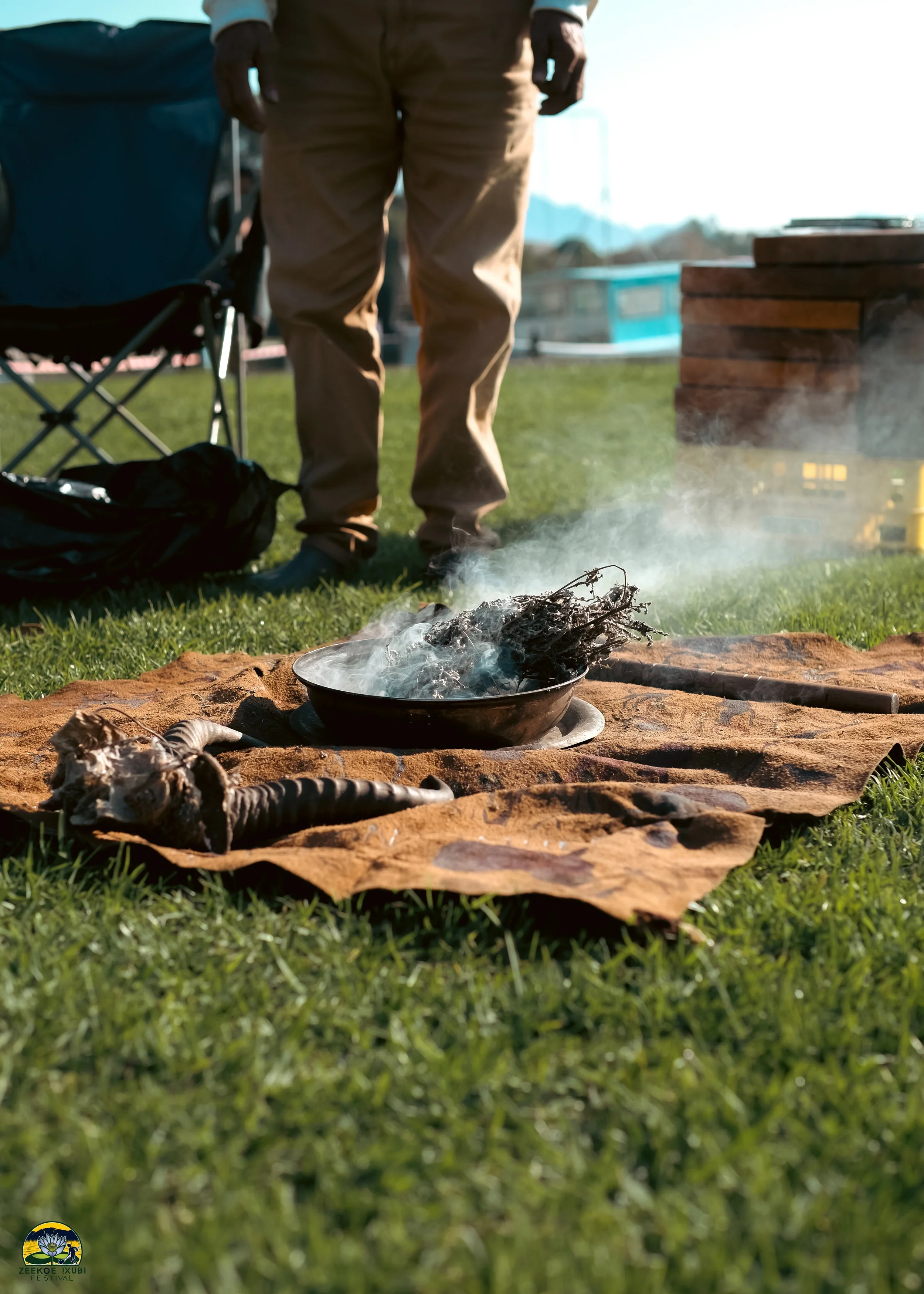
The festival included live music and open-mic, an informative exhibition with photography and artworks, spiritual ceremonies, a food market and goods market, art workshops and a guided tour of the Zeekoevlei area. 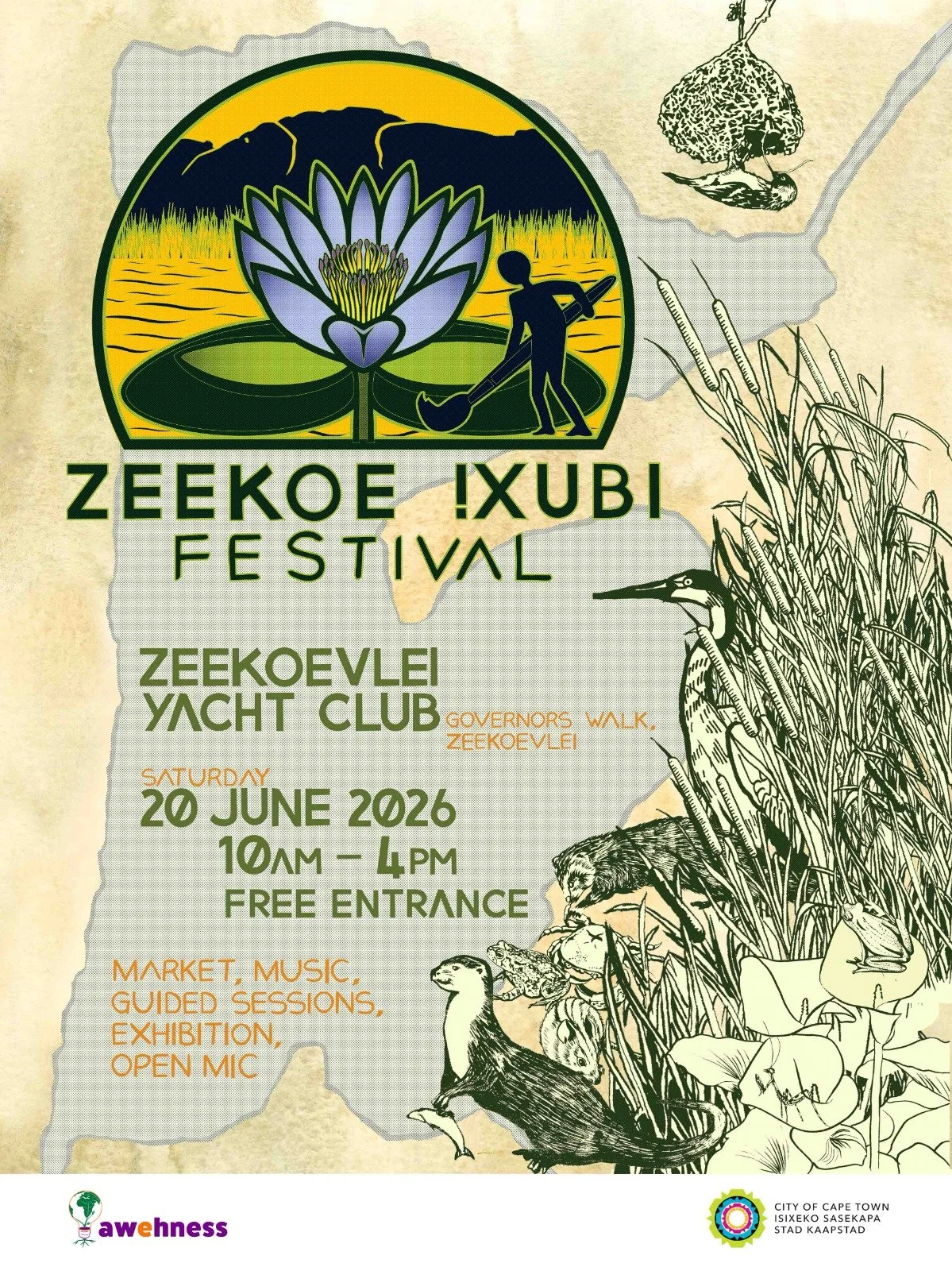
“Everything about the day was fab. Thanks to the team for your amazing effort. My 85 year old mother was moved and delighted, especially by the ceremonies”
More about the Zeekoevlei catchment
Pollution AND its effects
The cemented canals that we know today – i.e. the Big and Small Lotus rivers – were constructed around the time that the airport was built (±1950s) to channel seasonal flood waters off the runway.
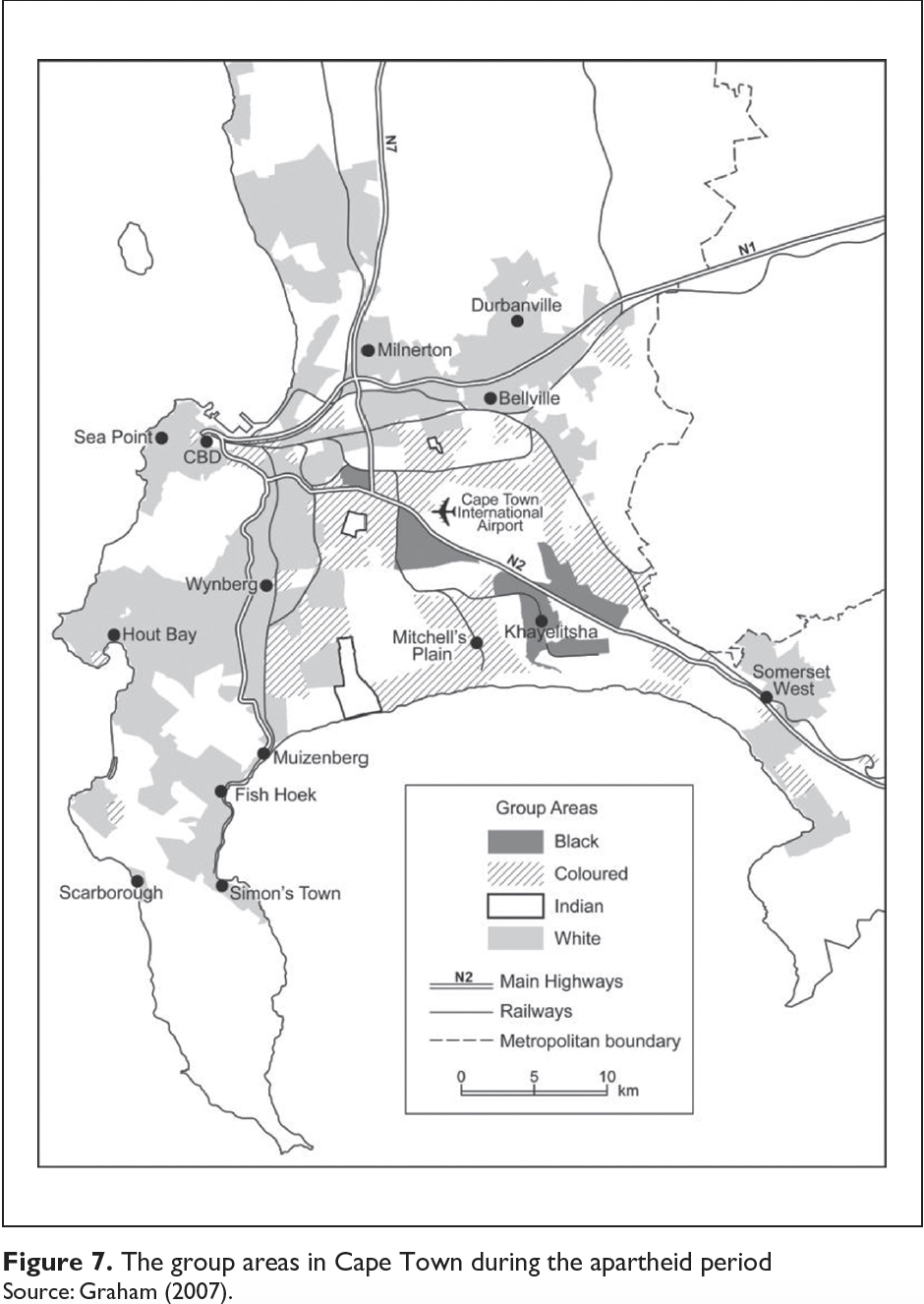
This is around the same time as the Apartheid government introduced and enforced the Group Areas Act. This was the legislative foundation for the racial segregation of Cape Town. The Act resulted over 60,000 residents from integrated neighbourhoods around Cape Town being forcibly removed and relocated to the region known as the Cape Flats, which was mainly wetlands without much infrastructure at the time.
Black and Coloured designated areas in the catchment were not afforded the same infrastructure development as white areas, resulting in the highly unequal living conditions that continue today.
Apartheid legacy
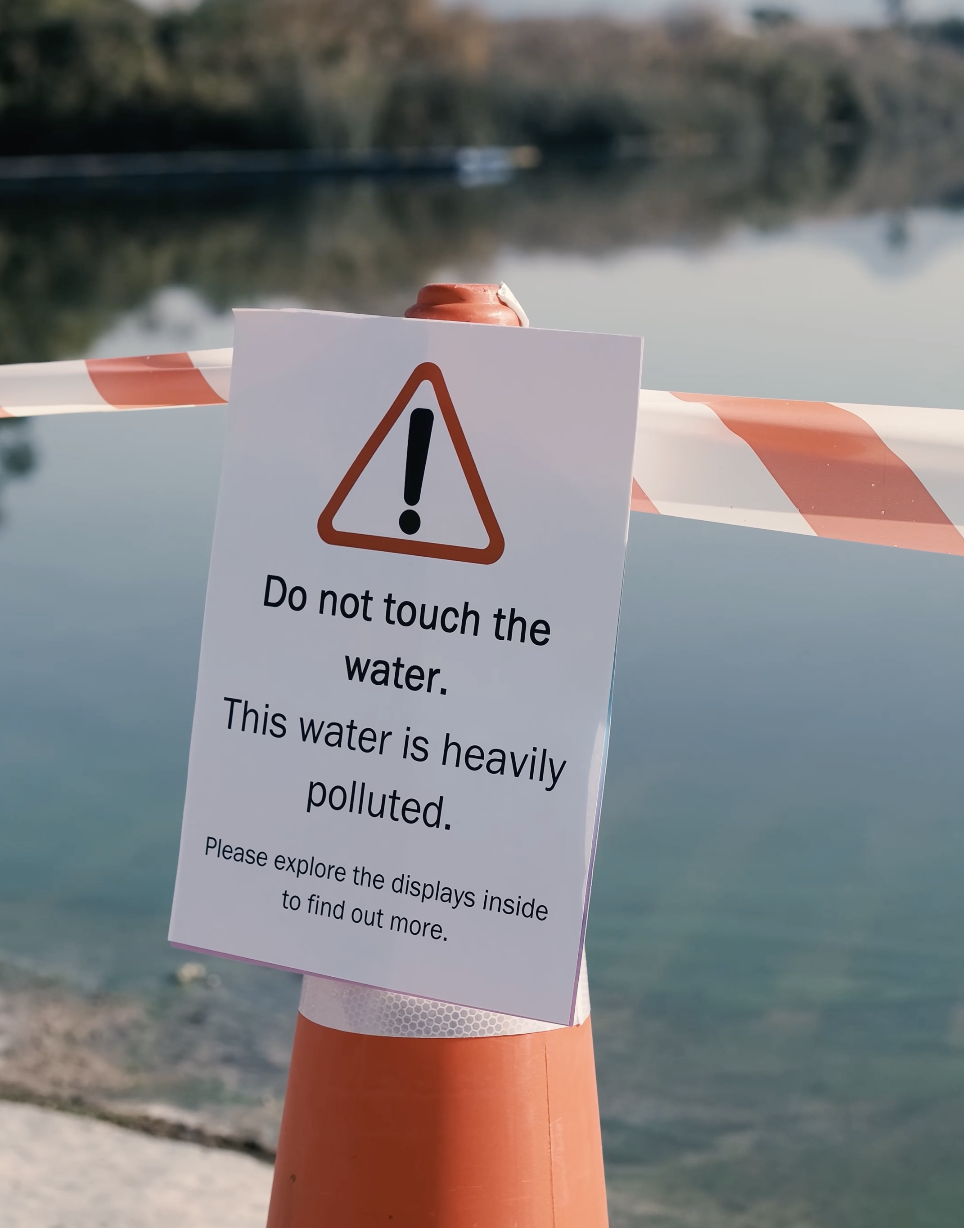
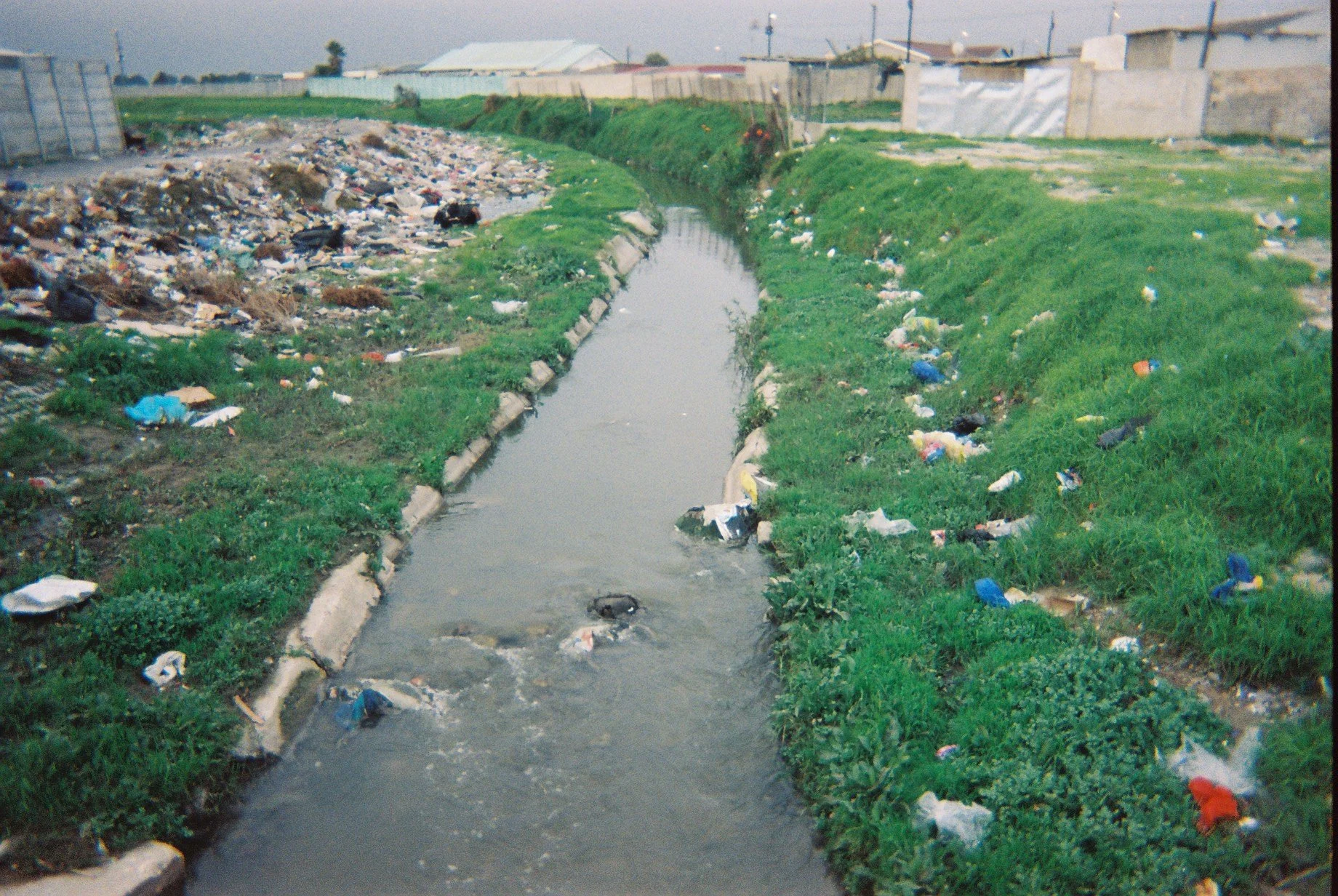
Litter and wastewater, including raw sewerage, are major issues in the catchment, yet many rely on these channels for livelihood opportunities. Across the catchment, but particularly in the Big Lotus River, E. coli is dangerously high, along with microplastics, and heavy metals, while dissolved oxygen is dangerously low for aquatic life. Flooding is frequent in the catchment during Cape Town’s rainy season, particularly in the upstream, informal areas. Flooding is made worse by the litter and debris that collect in the waterways, as these can block water flow and force it into surrounding areas.
The pollution has also affected local livelihoods. People in the area have always enjoyed fishing in the Vlei and in the Big and Small Lotus Rivers. However, since 2023, the City of Cape Town has issued strict warnings against consuming these fish due to unsafe levels of heavy metals like mercury and lead, which make the fish unsafe for human consumption.
Population growth AND SERVIce delivery
Population growth in the catchment area has been dramatic and uneven. Three suburbs tell radically different stories: Gugulethu went from non-existent in 1950 to one of the Western Cape’s most densely populated areas today, driven at first by Apartheid-era forced removals and more recently by people moving to the city from rural areas. Ottery has grown modestly. Zeekoevlei has remained sparsely populated due to the vlei and nature reserve dominating its footprint.
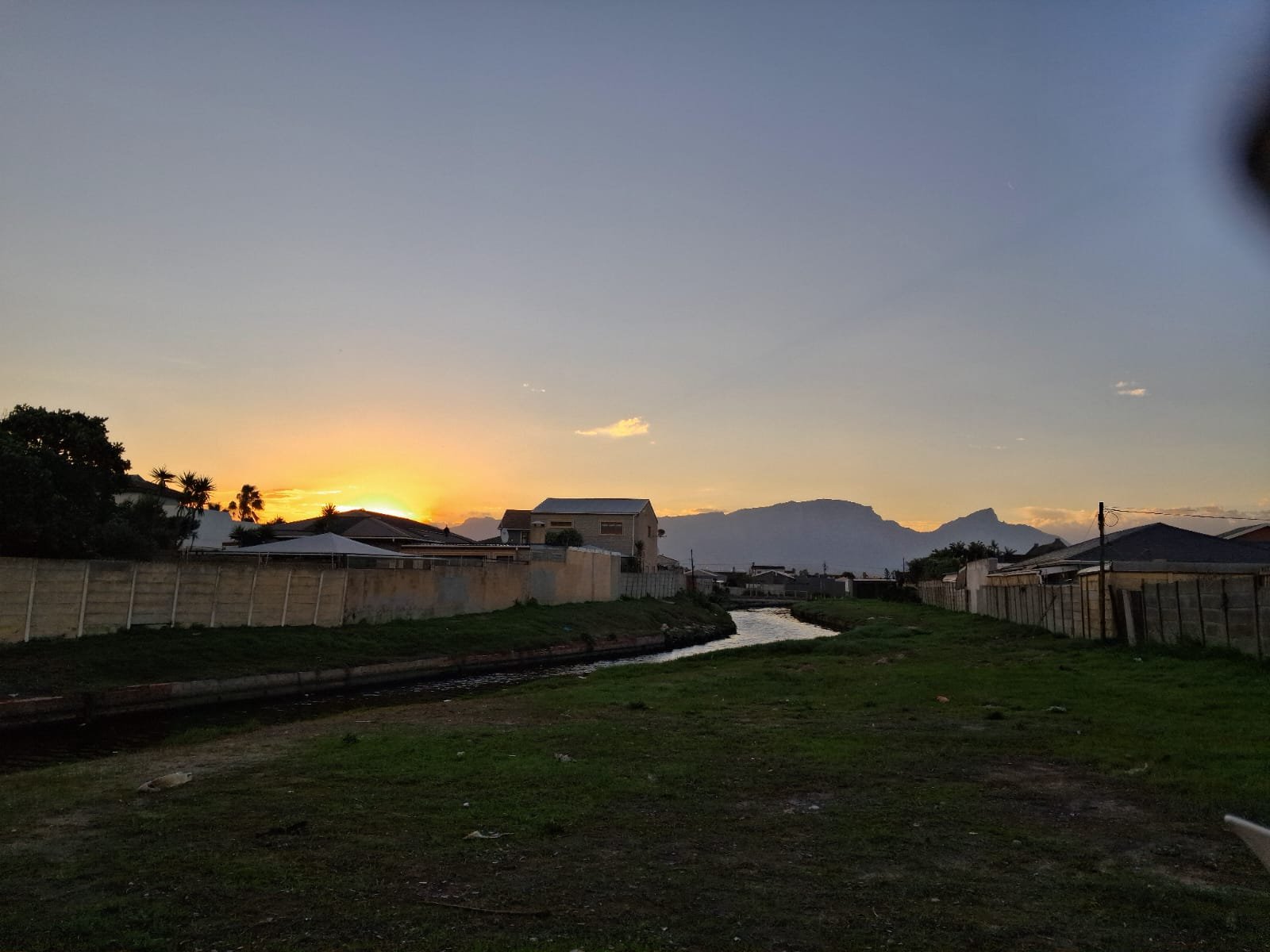
The growth in population density upstream in the catchment creates a shifting goal-post for service delivery. The City of Cape Town struggles to meet the continuously increasing demand for services in areas such as Gugulethu, which have inferior infrastructure due to the legacy of the Apartheid government’s racist development priorities. More recently, crime also makes service delivery difficult as City teams require a security escort to work in crime hotspot areas.